Regulatory Reports on Bingo Participation Patterns Versus Slot Engagement Across Britain's Licensed Digital Platforms
Written by Taylor Krüger · Oct 18, 2026
Regulatory Reports on Bingo Participation Patterns Versus Slot Engagement Across Britain's Licensed Digital Platforms
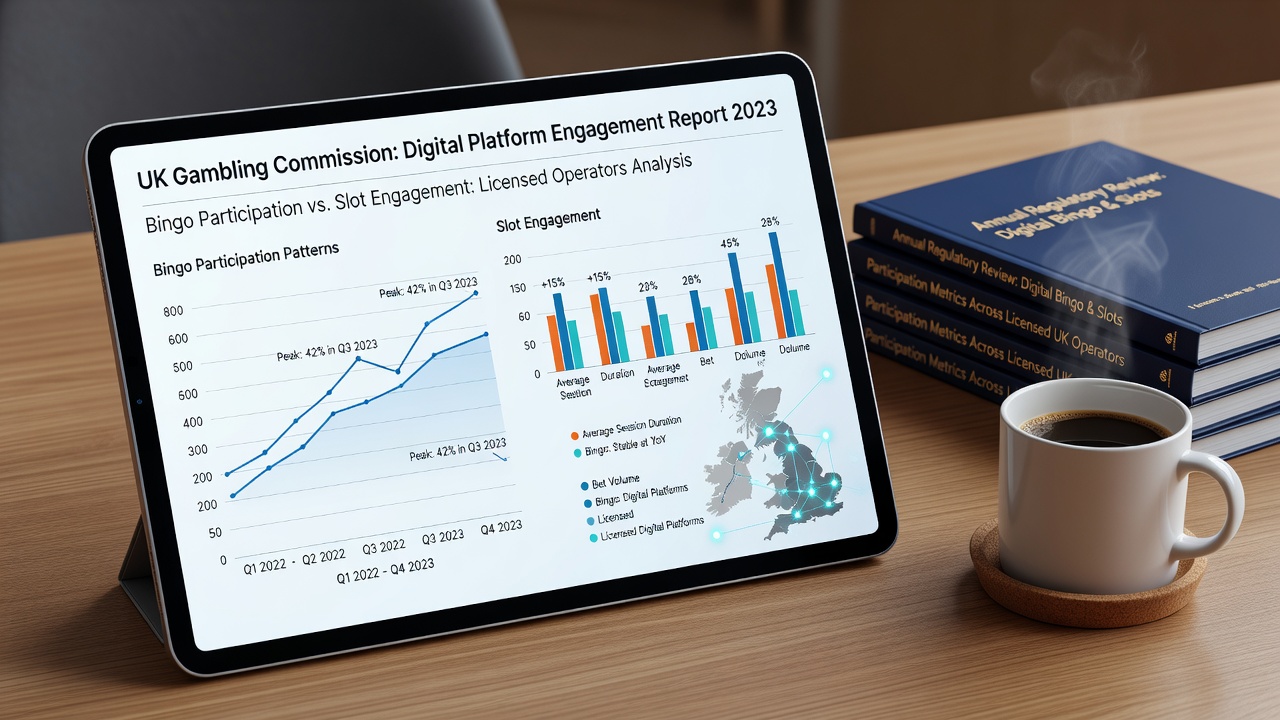
Data compiled through October 2026 shows distinct participation patterns between bingo and slots on Britain's licensed digital platforms, with regulatory bodies tracking session lengths, player demographics, and revenue contributions across multiple quarters. Observers note that bingo sessions often cluster around scheduled events and community features, whereas slot engagement tends toward shorter, more frequent individual interactions that accumulate over time.
Participation Metrics and Demographic Breakdowns
Regulatory summaries released in mid-2026 highlight how bingo draws a broader age range in digital formats, including higher proportions of participants over 45 who log in during evening peak hours, while slot activity concentrates among users aged 25 to 44 who access platforms during lunch breaks and late evenings. Figures from independent monitoring services indicate average bingo session durations run longer due to social chat integrations and progressive jackpots, in contrast to slot play that features rapid spin cycles and variable stake adjustments. Researchers at academic institutions have cross-referenced these trends with transaction logs, revealing that bingo players frequently combine deposits with loyalty rewards programs, whereas slot users show more variable deposit patterns tied to bonus triggers.
Session Frequency and Spending Distributions
Analyses of licensed operator data reveal bingo participation often follows weekly rhythms aligned with themed rooms and charity-linked events, producing steadier weekly engagement rates compared with slots, where bursts of activity spike around new game releases and seasonal promotions. Spending distributions tracked across platforms show median per-session outlays for bingo remaining lower yet more consistent week to week, while slot engagement produces wider variance with occasional high-stake sequences that elevate overall monthly totals for a smaller subset of accounts. Those who've examined the datasets point out that multi-platform users frequently alternate between the two formats within the same week, creating hybrid patterns that regulators continue to monitor for responsible gambling indicators.
Regulatory Tracking Methods and Cross-Platform Comparisons
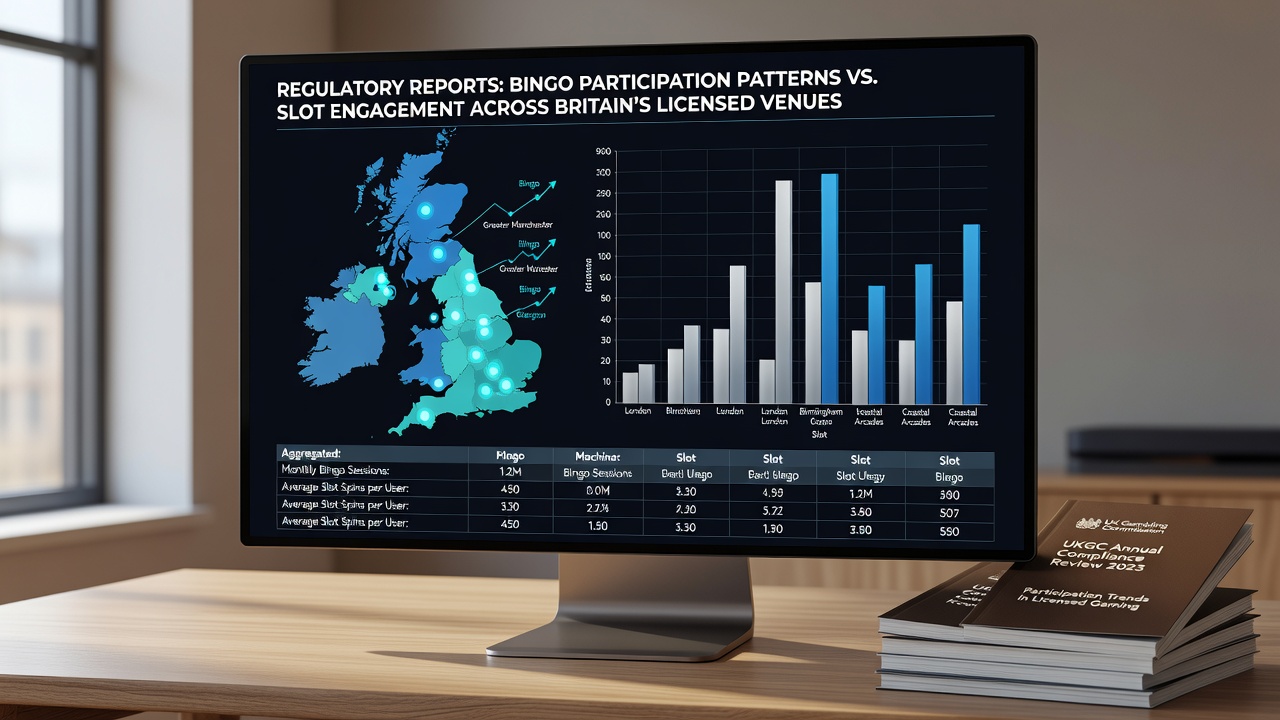
Monitoring frameworks employed by oversight agencies rely on anonymized telemetry feeds that capture login timestamps, game selection sequences, and exit behaviors without identifying individual accounts. These methods allow comparisons between bingo rooms that emphasize group dynamics and slot libraries that prioritize solitary play, with reports noting bingo's slower churn rates versus slots' higher turnover volumes per active user. External analyses from bodies such as the Australian Gambling Research Centre provide parallel benchmarks on format preferences, demonstrating how regulatory approaches in different jurisdictions can inform British platform evaluations. Data aggregation across multiple operators further illustrates that bingo maintains steadier retention through community features, whereas slots experience quicker drop-off rates unless refreshed with new mechanics or themes.
Revenue Contributions and Format-Specific Trends
Revenue breakdowns published in quarterly regulatory summaries allocate larger shares to slots across Britain's licensed sites, driven by volume rather than per-user averages, while bingo generates consistent contributions through entry fees and side bets that accumulate steadily. Patterns observed in October 2026 updates indicate seasonal upticks in bingo tied to holiday promotions, contrasted with slot engagement that remains relatively flat year-round except during major sporting overlaps. Experts reviewing these aggregates note that promotional mechanics differ markedly, with bingo often bundling tickets into packages and slots relying on free-spin incentives that encourage repeated short visits.
Cross-referencing with studies from the National Opinion Research Center reveals similar format divergences in other regulated markets, where bingo's social elements correlate with longer platform dwell times. Observers continue to track how mobile interfaces influence these behaviors, as touch-friendly bingo cards compete with swipe-optimized slot reels for user attention during fragmented daily usage windows.
Conclusion
Regulatory documentation through late 2026 underscores measurable distinctions in how bingo and slots attract and retain users on Britain's licensed digital platforms, with participation rhythms, demographic spreads, and spending profiles diverging along format lines. Continued aggregation of operator data supports ongoing comparisons that inform licensing conditions and player protection measures without prescribing specific operational changes.