The Intersection of Tax Policy Adjustments and Player Migration Patterns Between Licensed Bingo Platforms and Virtual Sports Markets in Britain
Written by Taylor Krüger · Nov 1, 2026
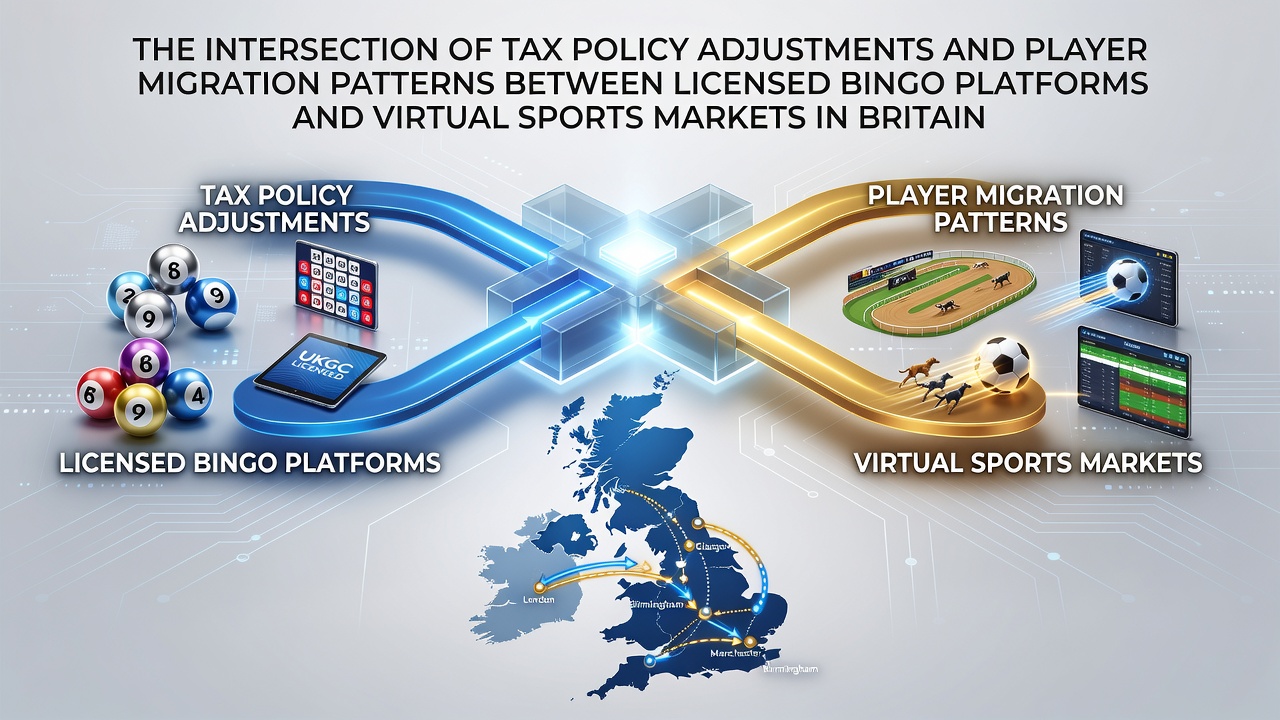
The Intersection of Tax Policy Adjustments and Player Migration Patterns Between Licensed Bingo Platforms and Virtual Sports Markets in Britain
Tax policy adjustments in Britain have reshaped participation across licensed gambling sectors since the mid-2020s, and observers track how these changes influence shifts between bingo platforms and virtual sports markets. Data from government revenue agencies show rate modifications applied to remote gaming activities, which prompted operators to recalibrate offerings and prompted some players to explore alternative formats within regulated environments. Researchers examining participation logs note that bingo sessions, traditionally steady in engagement, experienced measurable adjustments following duty increases that took effect after the 2025 budget cycle.
Recent Tax Adjustments and Sector Responses
Adjustments to remote gaming duty rates created new cost structures for operators managing bingo and virtual sports products, and these modifications aligned with broader fiscal measures aimed at balancing public revenue needs. Figures released through official channels indicate that bingo platforms, which rely on fixed-odds and community-style draws, absorbed part of the increased liability through adjusted prize pools and promotional structures. Virtual sports markets, featuring simulated events with rapid turnover cycles, adapted by expanding market variety and adjusting odds margins to maintain player retention within licensed channels.
Studies from academic institutions tracking gambling economics highlight that operators in both segments responded with platform enhancements rather than withdrawal, and this pattern emerged clearly in quarterly filings submitted to regulatory bodies. One analysis covering 2025 through early 2026 documented how tax-related cost pressures encouraged diversification, with some bingo-focused sites introducing virtual sports integrations to retain existing users who showed interest in faster-paced alternatives.
Observed Migration Trends Between Formats
Player movement between licensed bingo platforms and virtual sports markets appears in aggregated transaction data, where researchers identify modest but consistent transfers following each duty adjustment phase. Participation metrics reveal that certain demographic groups, particularly those aged 35 to 55, reduced session frequency on traditional bingo interfaces while increasing activity on virtual sports sections within the same operator ecosystems. This internal migration pattern suggests that users often remain within regulated environments instead of seeking unlicensed options when tax-driven changes occur.
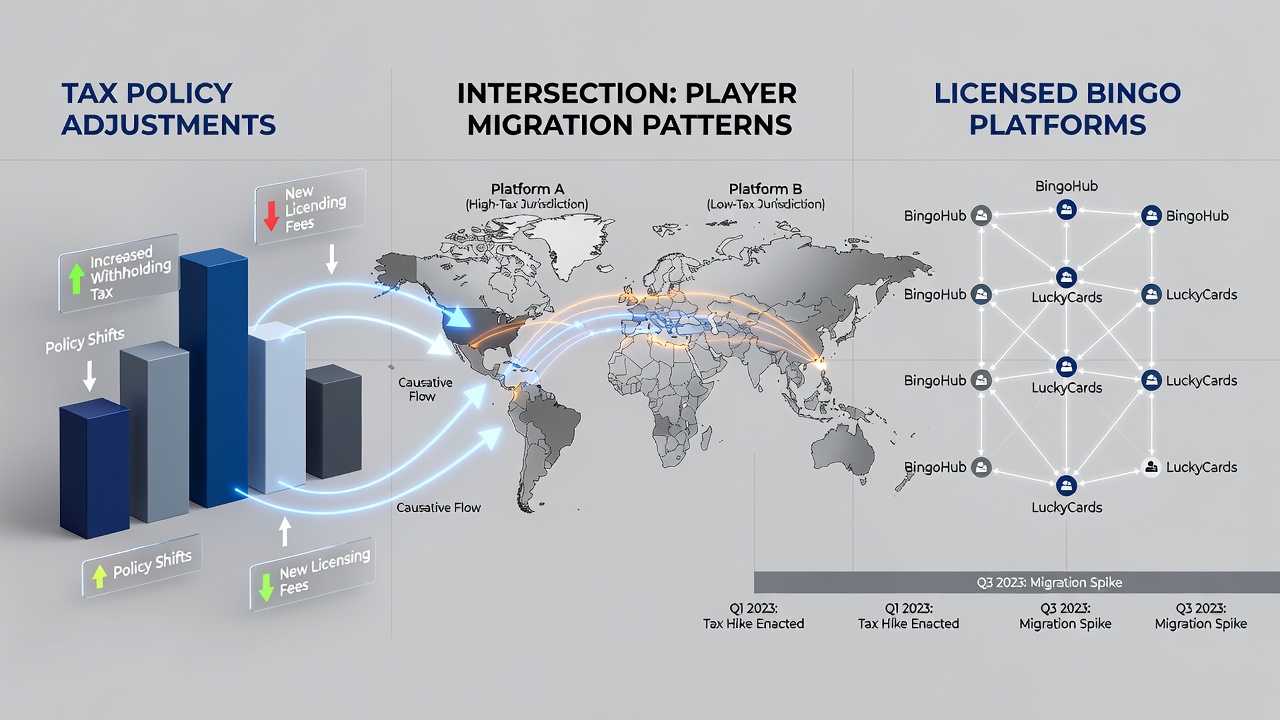
November 2026 data releases from industry monitoring groups showed continued evolution in these patterns, with virtual sports recording incremental growth in active accounts while bingo maintained stable but slightly reduced volumes in specific regions. Analysts attribute part of this movement to pricing differentials that emerged after tax recalibrations, since virtual sports events allow quicker resolution and potentially different effective return profiles compared to bingo draws scheduled at fixed intervals. Cross-platform operators reported that integrated accounts facilitated these transitions without requiring players to establish new registrations.
Regulatory Context and Data Sources
British tax authorities publish regular updates on duty receipts across gambling categories, and these reports provide the foundation for understanding how policy shifts translate into behavioral changes. External reviews from organizations such as the OECD tax policy division examine similar adjustments in multiple jurisdictions, offering comparative context that shows Britain’s experience fits within wider European trends. Academic papers from research centers in Canada and Australia further document how duty modifications influence format preferences without necessarily driving activity outside licensed markets.
Those studying these dynamics emphasize the role of platform design in channeling migration, since many licensed operators now present bingo and virtual sports through unified interfaces that reduce friction for users exploring new options. Evidence from transaction datasets indicates that loyalty programs spanning both formats help stabilize overall participation even as individual preferences shift.
Conclusion
The intersection of tax policy adjustments and player migration between licensed bingo platforms and virtual sports markets in Britain continues to generate measurable data points that researchers compile and analyze. Patterns observed through 2026 demonstrate that operators adapt through product integration and pricing strategies while users navigate changes within regulated boundaries. Ongoing monitoring by revenue agencies and independent research bodies supplies the factual basis for tracking these developments as fiscal frameworks evolve.